
What Is Cupping Therapy?
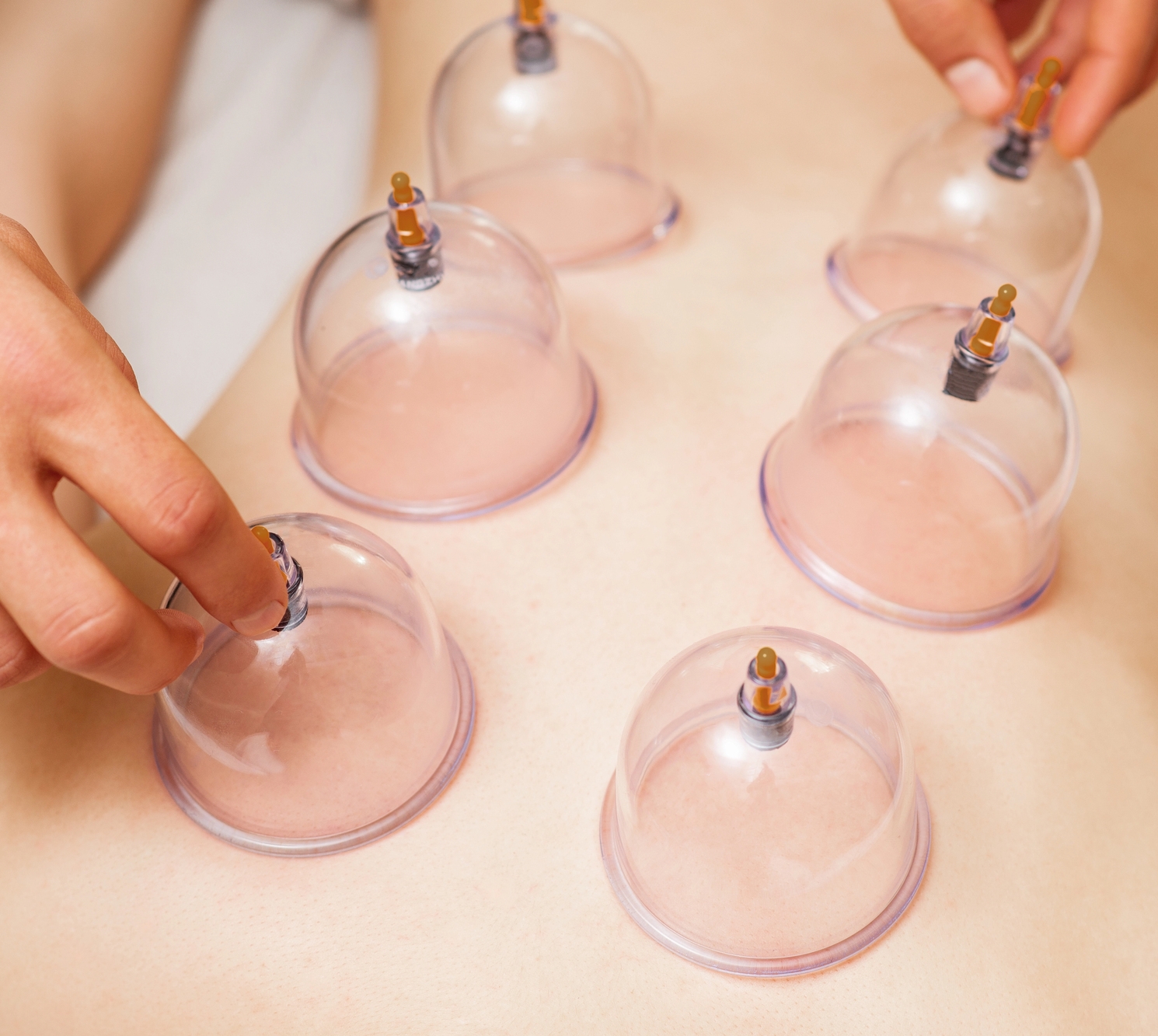
Cupping therapy is a hands-on treatment technique that uses specialized cups to create suction against the skin. Instead of pressing down on sore or restricted tissue like many forms of massage or manual therapy, the suction gently lifts the skin and underlying soft tissue.
There are several forms of cupping. Dry cupping, which does not involve piercing the skin, is commonly associated with musculoskeletal treatment. Wet cupping is a different practice that involves piercing the skin and drawing blood into the cup.
Within a physical therapy setting, cupping can be used as one tool within a larger rehabilitation program. Your therapist first considers what is contributing to your pain, stiffness, or movement limitations and then determines which treatment techniques make sense for you.
When Can Cupping Therapy Be Used?
Cupping may be considered when muscle soreness, tightness, or soft tissue restrictions are contributing to discomfort or difficulty moving.
Depending on your evaluation and treatment goals, your physical therapist may consider cupping for areas such as:
- Neck and shoulder tightness
- Upper or lower back muscle discomfort
- Hip and glute muscle tension
- Tightness in the thighs or calves
- Sports-related muscle soreness
- Muscle tension associated with repetitive activities
- Restricted movement related to tight soft tissue
- Ongoing musculoskeletal pain
Research has found that cupping may provide short-term pain relief for some people with musculoskeletal pain, although the overall quality of evidence varies and benefits should not be assumed for every condition or patient.
That is one reason Complete PT looks at cupping as part of your overall treatment plan rather than relying on a single technique to address your symptoms.

Cupping Therapy Near Me: What to Expect at Complete PT
Your treatment begins with an evaluation, not with the cups.
Your physical therapist looks at how you move, where you feel discomfort, what activities are difficult, and what may be contributing to your symptoms. This helps determine whether cupping is appropriate and where it may fit into your physical therapy plan.
During cupping therapy, cups are positioned over selected muscles or soft tissue and suction is created. You will generally feel a pulling or lifting sensation beneath the cup. The amount of suction and treatment approach can be adjusted based on the area being treated and how you respond.
Cupping may then be followed by mobility work, strengthening exercises, stretching, manual therapy, or other treatment. Combining hands-on care with active rehabilitation allows your therapist to address both how you feel during the visit and how you move outside the clinic.
What This Includes
- Movement and symptom evaluation
- One-on-one cupping treatment
- Targeted treatment for muscle and soft tissue restrictions
- Integration with manual therapy and exercise
- Mobility and flexibility work
- Ongoing treatment adjustments based on your progress

Frequently Asked Questions
Why Choose Complete PT for Cupping Therapy?
Complete PT is an independent, family-owned outpatient physical therapy clinic focused on individualized care. Instead of using the same treatment approach for everyone, your physical therapist evaluates what is limiting you and builds treatment around your specific needs.
Every session is one-on-one with a licensed and certified Doctor of Physical Therapy. That means cupping is not automatically added simply because an area hurts or feels tight. Your therapist considers whether the technique makes sense within the bigger picture of your recovery.
As you improve, your treatment changes with you. The goal is to help you build the movement, strength, mobility, and confidence needed to return to the activities that matter to you.
Cupping Therapy in the Kansas City Northland
Complete PT provides personalized physical therapy for patients throughout the Kansas City Northland from our Liberty and Gladstone locations.
We regularly serve patients from Liberty, Gladstone, North Kansas City, Smithville, Kearney, Excelsior Springs, Platte City, Parkville, and surrounding Northland communities.
If muscle tightness, soreness, or restricted movement is interfering with your day, schedule an evaluation to find out whether cupping therapy should be part of your physical therapy plan.
